
For learnersComing soon
Learn. Practise. Grow. What was covered in class, ready to go over at home, one clear lesson at a time.

Built for every learner
Invited by a teacher or studying on their own, from their first year at school to their last. Desk meets each learner where they are.
Early readers
Grades 1 to 3 can't read much yet, so Desk reads everything aloud, takes spoken answers and finds its way with pictures.
Learn more English
 Mathematics
 Biology
Primary
Short lessons in five clear parts, with diagrams and worked steps to go over until it clicks.
Learn moreMathematicsEnglish Geography
Secondary
Every subject the class follows, with practice for a teacher's tests and the whole syllabus open to go ahead.
Learn moreBiology ScienceGeography
Invited by a teacher
Join with the class code from a teacher. Their plan arrives on its own and updates whenever it changes.
Learn moreBiologyMathematicsEnglishOn their own
No class? Pick a country, grade and subjects. Desk plans a lesson a day, and learners can always go ahead.
Learn moreScienceGeographyEnglishDesk early access helps schools give every learner a way to go over each lesson at home, at their own pace.
Be among the first classes to use Desk, help shape what we build, and keep teachers in the loop from day one.
The teacher's plan
What was taught in class, shared by the teacher and ready the same day.
Five parts a lesson
Engage, Explore, Explain, Elaborate and Evaluate, a few minutes each, with diagrams and worked steps.
Read aloud
Every part can be read aloud, and young learners can answer by voice.
Teachers in the loop
Teachers see how each learner is getting on with the lessons they shared.

What was covered in class, ready to go over at home the same evening, one clear part at a time.

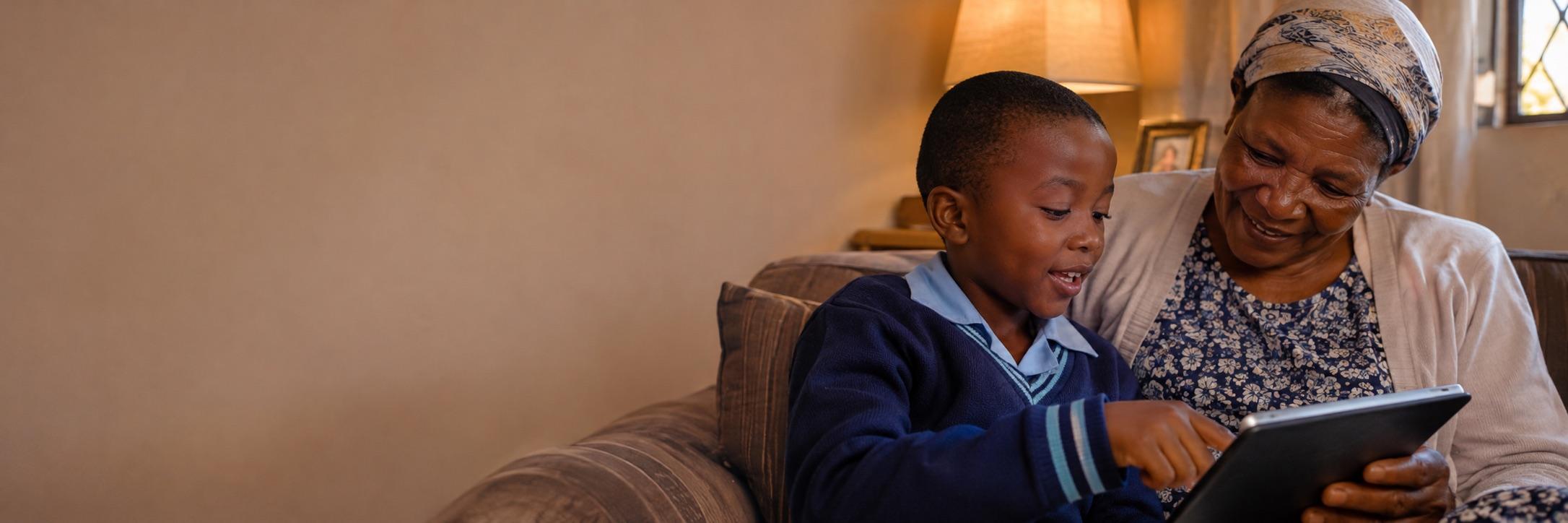
From the classroom to home, the same day
What the teacher taught becomes something a learner can go over, step by step, then check.
The teacher's week
Every lesson the teacher plans for the week, day by day: what's done, what's today and what's coming.
Another way in
When one explanation doesn't land, each lesson brings diagrams, worked steps and ideas to go over until it clicks.
Check what you know
Questions at the end of each lesson, with an explanation for every answer, and practice before a teacher's test.
One lesson, five parts
Each lesson runs from Engage to Evaluate, a few minutes a part, with what a learner needs to go over it on their own.
Support that grows with every learner
Ready for the next test, free to go ahead, and heard as well as read, from the first year at school to the last.
Ready for the test
When a teacher sets a test, Desk shows which topics are ready and which need more practice, in words rather than scores.
Free to go ahead
The whole syllabus is open. Learners who are ready can move on, and anyone can go back over what came before.
Made for early readers
Grades 1 to 3 hear every part read aloud, follow the words as they're spoken, and answer by voice.
5
short parts in every lesson, from Engage to Evaluate.
Want Desk for your class?
Tell us about your school and we'll let you know when early access opens.